
Prime Men’s Nutrition
Botanical Ingredients in Men’s Supplements
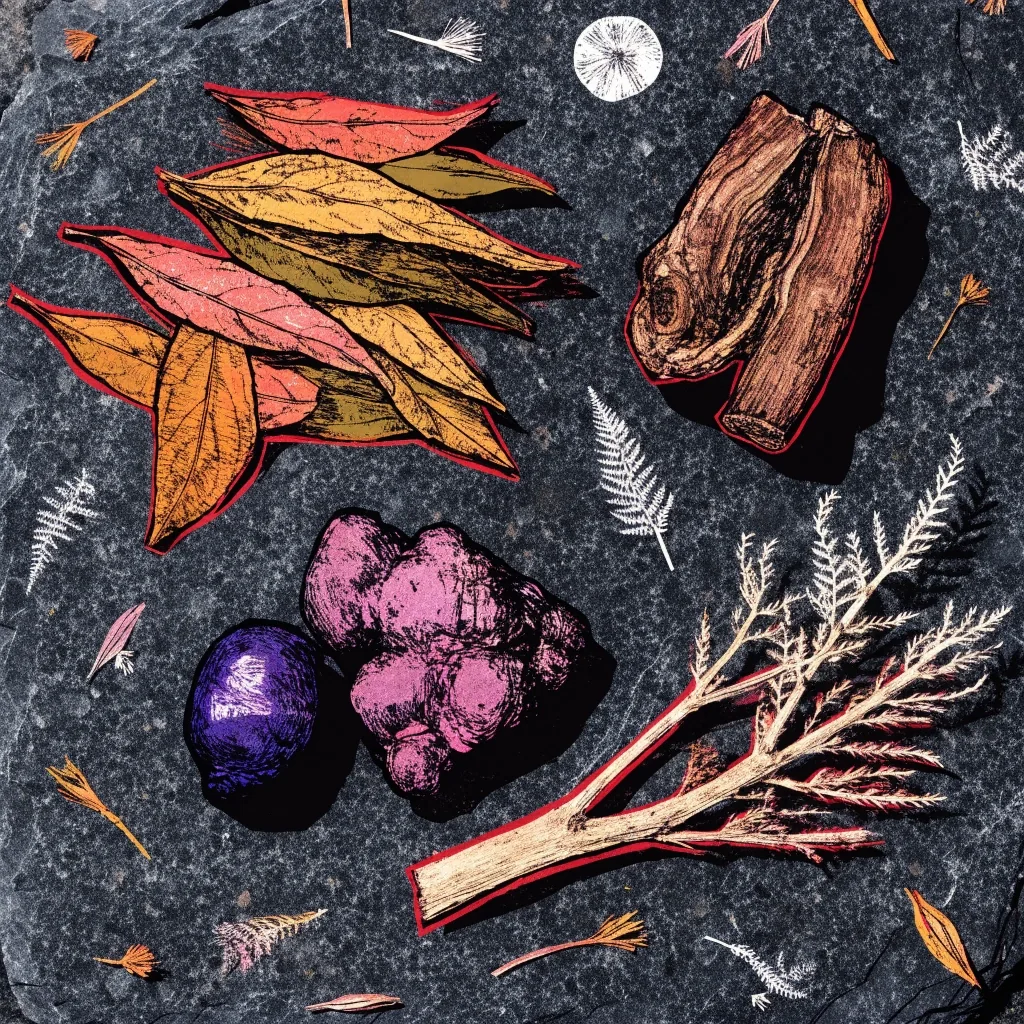
The botanical end of the men’s supplement shelf is the loudest and the least standardized. This page covers where these ingredients come from, how they are sold, and what label language is worth pausing over before you buy.
Familiar plants, wildly uneven shelves
Botanical ingredients carry cultural familiarity in Indonesia that mainstream multivitamins do not. Regional plants like Tongkat Ali are recognized by name, which makes them easier to list on a shelf without much explanation. Imported botanicals like maca arrive through e-commerce and global retail, adding an international option to the same aisle.
The result is a category that looks familiar on the surface and varies enormously underneath. Two products can share a front label and differ in plant part, extract type, and amount per serving. That gap is the reason this page exists: so you can read the panel instead of the promise.
Tongkat Ali at a glance
- Origin
- Southeast Asia
- Plant part used
- Root
- Common formats
- Capsules, powders
- Label term to look for
- Extract ratio
Tongkat Ali: the regional standard
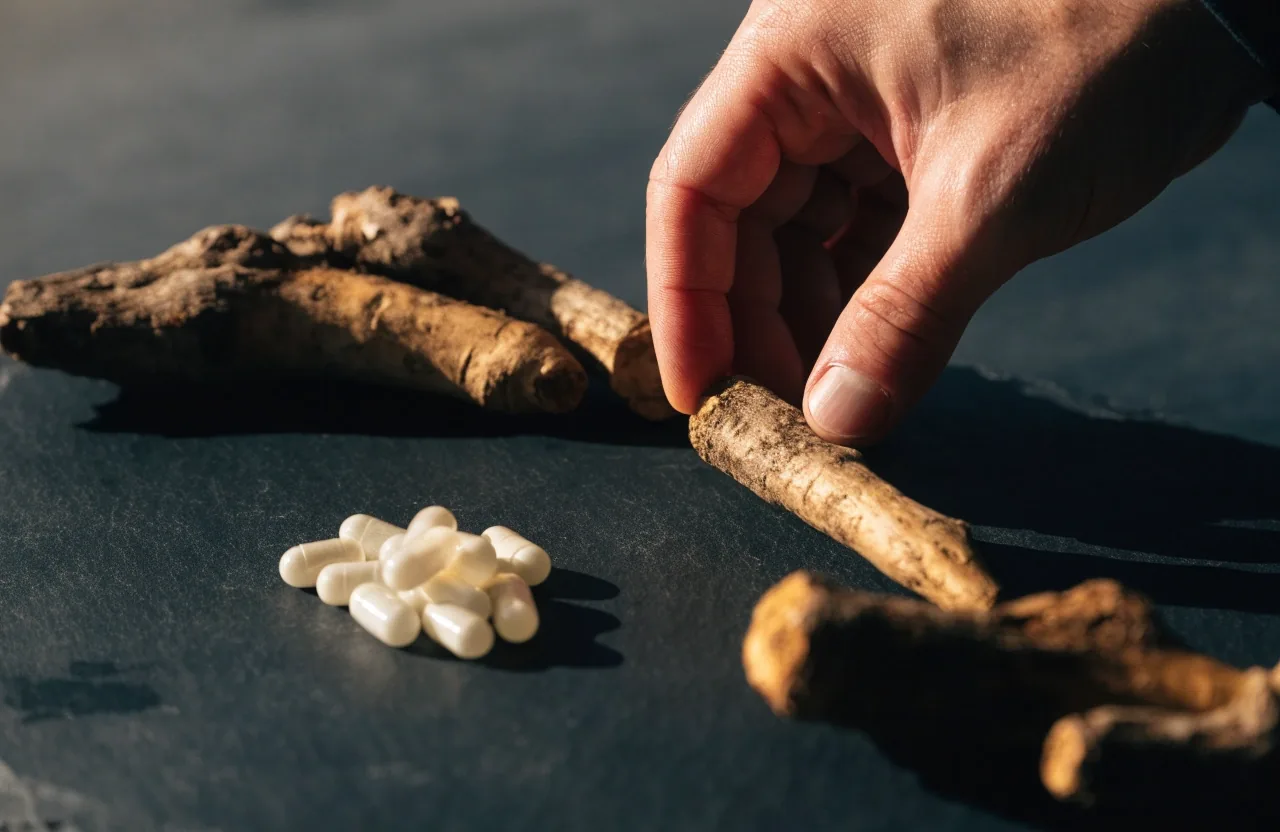
Tongkat Ali is a Southeast Asian botanical with strong recognition in Indonesian and Malaysian markets. It appears explicitly in marketplace listings for men’s health support and is commonly sold as capsules or powders. Listings frequently bundle it into stamina and vitality-style product language, sometimes next to imported men’s vitamin formulas on the same row.
Because it is a regional plant, buyers often assume uniform quality across brands. That is not how it works. Extract ratios and amounts per serving vary widely, and a product can be labeled Tongkat Ali while listing a fraction of the root material you would find elsewhere. Two bottles on the same shelf, same plant name, can be very different purchases.
A practical habit: read the ingredient line for the words root extract or root powder, then find the number beside them. If the number is missing, you have learned something real about that listing — move to the next one.
Tribulus stacks and how they are sold
Stacked blendsWhat most listings do
Broad panels with thin disclosure
Tribulus appears in Indonesian men’s-health retail listings, usually grouped with other botanicals rather than with core vitamins. It is most often sold in natural capsules for strength and vitality, framed in vitality-oriented marketing. You will rarely find it alone; products tend to stack it with other extracts so the panel looks broader and the label reads longer.
Broad panels are not automatically a problem, but they make comparison harder. When a listing stacks five botanicals and shows one total blend figure, you cannot tell which plant you are paying for.
What to compare instead
- Extract amount per serving Look for a milligram figure attached to the extract itself, not to the blend total.
- Extract type Standardized extract and whole-herb powder behave differently on a label. They are different products.
- Number of botanicals A longer list is not automatically a stronger one. Count how many actually show an amount.
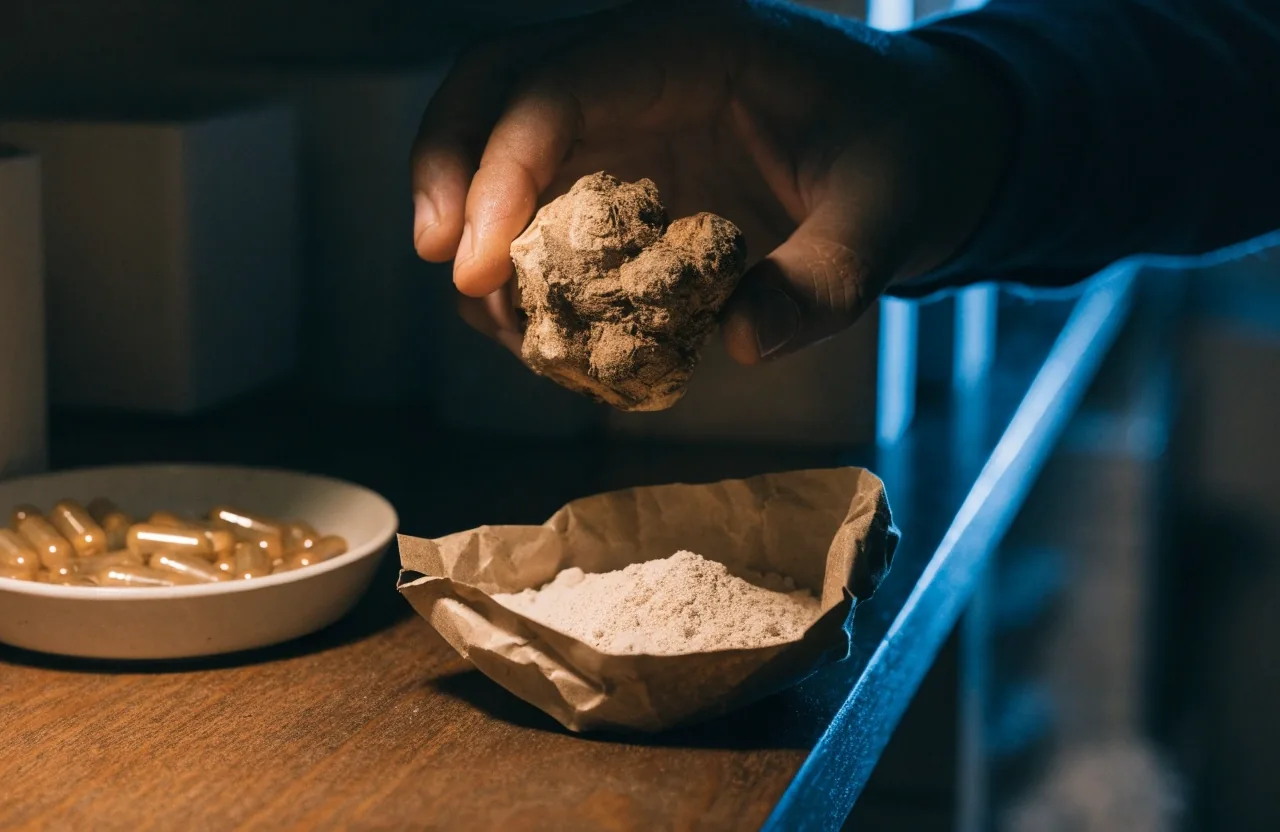
Imported botanical listings often state a clear milligram amount per capsule — that clarity is the part worth copying onto your own comparison notes.
Maca root and the imported shelf
Solaray Maca Root 525mg is one example of a botanical that appears in Guardian Indonesia’s men’s health section, sold in capsule form and sitting next to other vitality products rather than standard vitamins. Maca is a plant ingredient widely used in vitality-oriented supplements, and imported brands often list a clear milligram amount.
That clarity is worth noticing when you compare it against blends that do not disclose amounts. A listing that names the plant, the part, and the number gives you a comparison point; a listing that names only the plant does not.
Imported botanicals also travel through e-commerce and global retail, so the same plant may appear in several formats and pack sizes across one city. Compare the milligram figure per capsule, not the pack size.
Herbal blends and the label transparency test
Herbal products like Seaquill Herbal Mantix sit at the herbal end of the category. The main question with any herbal blend is whether the label states individual extract amounts or only a total blend weight. If the total is stated without a breakdown, you cannot compare the product to anything else.
This is the single most useful test to apply to any herbal men’s formula you are considering. It takes about thirty seconds in the aisle.
Read the panel line by line
Find each botanical name and check whether a milligram amount follows it, or whether the list drops straight into a blend total.
Separate blend weight from extract weight
A blend total of hundreds of milligrams tells you the size of the pile, not how much of each plant is in it.
Compare two products on the same plant
Put two Tongkat Ali or two Tribulus listings side by side and compare only the extract figure per serving.
Skip what will not state either
If a listing will not name the extract type or the amount per serving, you have no basis for comparison. That is your answer.
Capsule and powder formats
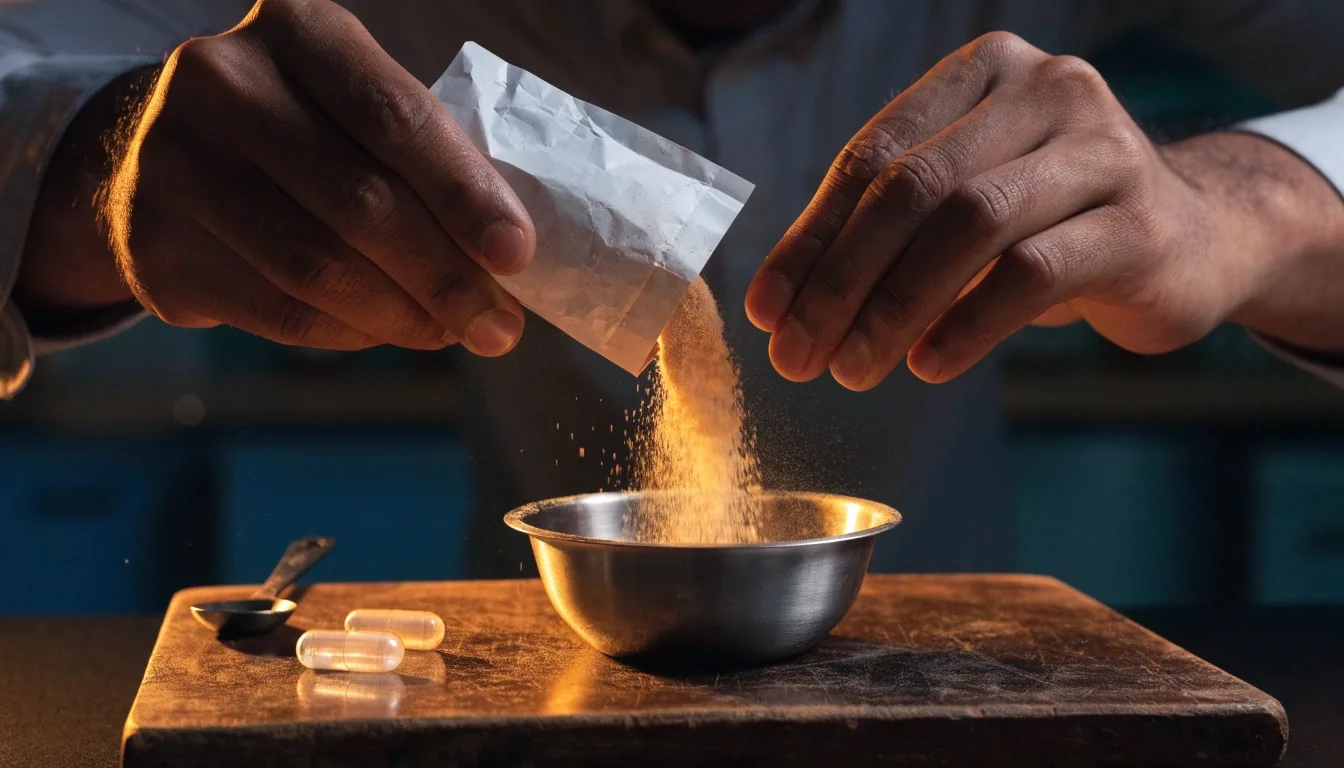
Botanicals are sold as kapsul and as powder, and each format has trade-offs. Capsules give a fixed, portable dose that fits a daily routine without measuring. Powders can carry more botanical material per serving but need measuring and do not travel as easily.
Indonesian retail listings lean heavily toward capsules, which fits the daily-routine positioning of most natural supplements for men. If a listing shows powder only, check that the label includes a serving measurement, not just a scoop description — a scoop size you cannot convert is not a comparison point.
Two products, one front label
Whole-herb root powder
The dried root ground as-is. The label usually shows the plant weight only.
Standardized root extract
Concentrated from the root to a stated ratio or marker level, with a milligram figure per serving.
Comparing botanicals by extract, not by name
Two Tribulus products with the same front label can differ in extract type, concentration ratio, and amount per serving. Root extract and whole-herb powder are different products. Standardized extracts are different again, because the maker has deliberately concentrated one part of the plant.
Comparing by name alone tells you nothing useful. Compare by extract type and amount per serving, and skip products that will not state either. This is also the habit that helps you read energy and endurance formulas, where the same plant names appear beside other ingredients and the amounts do the real work.
If you want a broader frame for how botanicals sit next to daily basics, the vitamin and mineral side of the shelf is a useful reference point: those products list amounts almost as a rule, which makes them an easy benchmark for what clear labeling looks like.
Registration applies here too
BPOM registration applies to botanicals too
Botanical products are natural medicines and supplements in the regulatory sense, and they are covered by the same registration requirement. BPOM registration is the check retailers commonly cite for legitimacy, and the same 2026 enforcement activity covered supplements broadly, not just synthetic products.
If an herbal listing does not show a registration code and the seller cannot provide one, treat that as your answer. The roundel on the pack is doing the same job a clear milligram figure does on the panel: it tells you the product has passed a check you cannot run yourself in the aisle.
Questions that come up in the aisle
Short answers to the points readers raise most often about botanical listings, formats, and how to read a panel before buying.
Answers stay general. For personal guidance, speak with a qualified professional.
Why do botanical products rarely list individual amounts?
Are capsules or powders a better fit for a daily routine?
Does a longer botanical list mean a stronger product?
Where should I start if I am new to botanical listings?
How does this site fit into a healthy lifestyle?
Keep reading
Read the panel before you read the promise
Botanical ingredients in men’s supplements reward a two-step habit: find the amount per serving, then find the registration code. Both take less than a minute and both tell you more than the front of the pack does.
Prime Men’s Nutrition publishes ingredient and label references for people shopping natural supplements for men in Indonesia. Questions about a listing or a registration code? Write to [email protected] or call +62 21 563 1721, Monday to Friday, 9:00 AM – 6:00 PM WIB. Suite at Jl. Jenderal Sudirman No. 52, SCBD, Jakarta Selatan, DKI Jakarta 12190, Indonesia.
Dietary supplements are not medicines and are not intended to replace professional advice. If you take regular medication or have a health condition, speak with a qualified professional before adding any product to your routine.