
Product information, not a shop

+62 21 563 1721 Mon–Fri, 9:00 AM – 6:00 PM WIB

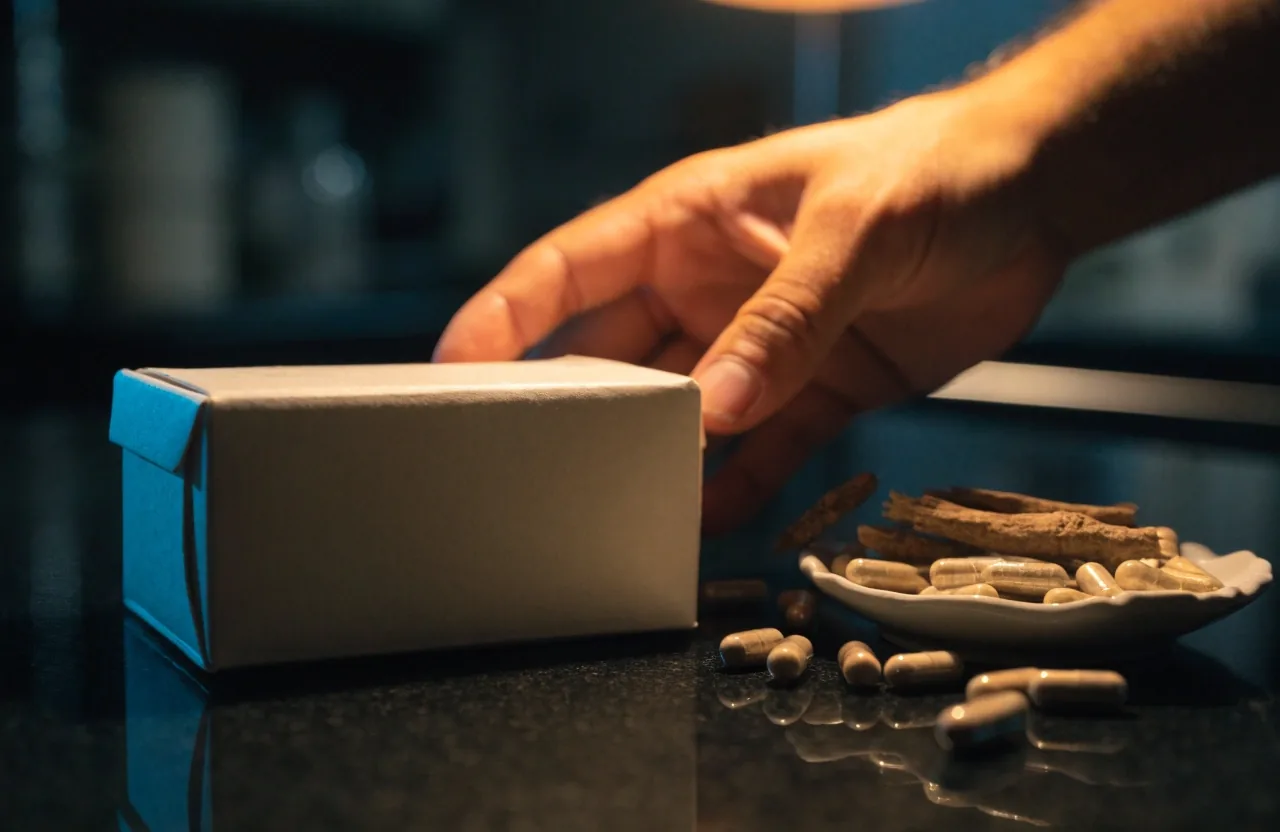
A hand turning a plain supplement carton on a dark enamel counter beside a dish of botanical root slices and capsules
Buying guide · Indonesia Prime Men's Nutrition

How to Check a Supplement's BPOM Registration

BPOM registration is the legitimacy check that Indonesian retailers, shopping pages, and consumer guides cite most often. It's also the step shoppers skip most often, usually because it sounds bureaucratic. It takes a few minutes once you know what to look for.

The one check that applies to every bottle

Walk into any pharmacy or open any shopping page in Indonesia and you will see the same instruction repeated: look for the registration number before you use the product. That number is issued by BPOM, the national agency for food and drug control, and it is the closest thing this market has to a universal quality signal. It applies whether you are buying a daily men's vitamin formula or a botanical capsule blend.

Independent shops, marketplace sellers, and consumer guides all lean on it because there is nothing else quite like it. A brand can write anything it likes on a label. It cannot invent a registration number that survives a lookup.

Before you buy

  • A registration code is printed on the packaging, not only in the listing text.
  • The registered product name matches the name you are buying.
  • The ingredient panel is readable and consistent, not copied formatting.

Keep the code, the verification result, the ingredient panel, and the expiry date together in one place while you shop.

What BPOM is and why it matters here

BPOM is Indonesia's national agency for food and drug control, and its registration system is the marker retailers point to when they describe a supplement as legitimate. Shopping pages in Indonesia explicitly tell buyers to look for BPOM registration before using a product. It is the one check that applies across both multivitamin and botanical products, so it works the same way whether you are browsing natural supplements for men or comparing a new arrival on a marketplace listing.

Carton panel Listing photos Ingredient panel Expiry date
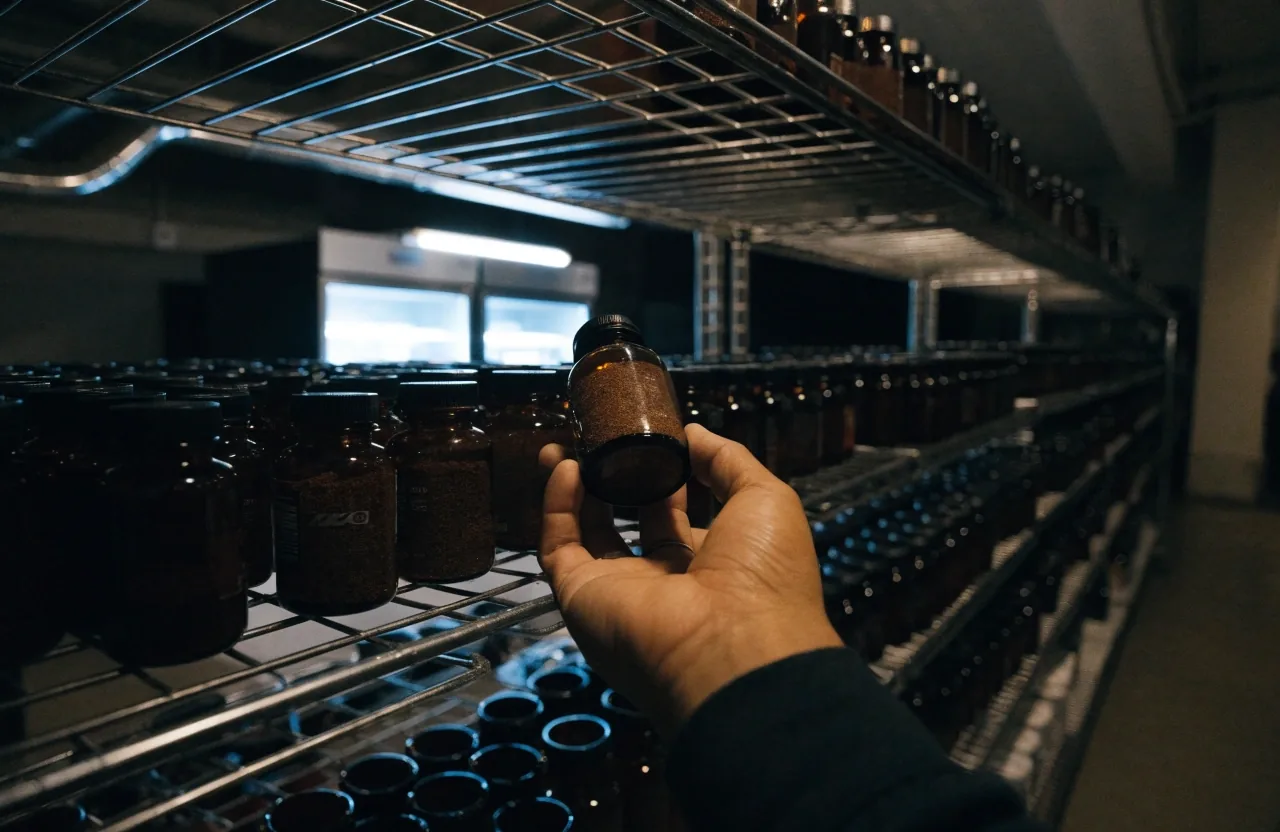
A dimly lit supermarket health aisle with unbranded supplement bottles on wire shelving

Why this check isn't optional

Enforcement is active, not theoretical. A 2026 Kompas report said BPOM found 31 illegal natural-medicine and supplement products between May and June 2026, and that hidden pharmaceutical chemicals were among the violations. Products in that category aren't just unregistered; they can contain ingredients that aren't disclosed on the label.

That is the practical difference between checking and not checking. When the label is silent about what is inside, the registration record is the only place to find out whether the product is known to the regulator at all.

Window

May–June 2026

Products found

31

Violation cited

Hidden ingredients

Where to look on the bottle

Panel

Where the code appears

The registration number is printed on the packaging, usually on the back or side panel alongside the ingredient list and manufacturer details. On a carton it tends to sit near the bottom of the back face, close to the batch and expiry information. On a bottle it is often on the label band rather than the cap.

On online listings, it is often shown in the product images rather than the text, so check the photos carefully. Zoom the back-panel shot if the seller uploaded one. Some sellers list it in the description. If neither the photos nor the description show a code, ask before ordering — and treat a vague answer as information in itself.

Where it hides most often: under a folded flap, on the panel that faces away from the bottle's front, or in the third or fourth listing photo rather than the first. Those are the spots worth opening before you add anything to a cart.

What a code looks like

Indonesian supplement registrations use a code format that begins with letters indicating the product category, followed by a numeric sequence. The exact format varies by category, so don't rely on memorizing the pattern.

What matters is that a genuine code exists, appears on the packaging, and can be looked up. A seller who can produce a code but won't tell you where to verify it is worth a second look.

Shape of the code

A category prefix, a separator, then a numeric sequence. It is short enough to write down by hand and specific enough to return a single record.

Verify

How to verify the code officially

Four checks, one pass

  • Code. Copy it exactly as printed, including the separator.
  • Verification. Look it up against BPOM's public record and confirm it returns a result.
  • Ingredient panel. Read the amounts per serving, not just the ingredient names.
  • Expiry date. Check it is still ahead of the date you intend to finish the pack.

Take the code from the packaging and check it against BPOM's official public record. The lookup confirms whether the code is real and active, and it typically shows the registered product name and manufacturer.

Match those against what you're buying. A code that exists but belongs to a different product name is a red flag, and so is a code that returns no result. If the record names a manufacturer you don't recognize, that's not automatically a problem — small contract manufacturers are common in this category — but it should match something on the packaging.

Two things the lookup usually won't tell you: how much of each ingredient is in a serving, and whether the formula suits your routine. Those come off the panel. Verification answers one question well; it doesn't answer all of them.

If you are comparing several natural supplements for men at once, verify each code before you compare formulas. Comparing two listings where one is unregistered tells you nothing useful about either product.

Red flags in online listings

Any one of these is a reason to slow down; two or more together is a reason to walk away. None of them take long to spot once you know the pattern.

No registration code anywhere in the listing

Photos and description both silent

A serious seller photographs the back panel. If every image is a front-facing glamour shot, the code was either cropped away or was never there.

A code that appears only in text

Never on the packaging photos

Typing a number into a description costs nothing. A printed code on a photographed carton is harder to fake, so prefer listings where the number is visible on the product itself.

Product names that differ slightly

Close to the registered name, but not the same

Extra words, a changed suffix, a swapped order. When the listing name and the record name diverge, ask which one is on the packaging you will receive.

Inconsistent ingredient panels

Copied or mismatched formatting

Blurred text, mixed fonts, a panel that looks like it was pasted from another listing. Labels from a registered manufacturer have a consistent layout across the whole range.

Answers that dodge the question

A certificate photo instead of a code

Sellers who respond to a registration question with a photo of an unrelated document are telling you something. Ask once more, plainly: where can I check this code myself? A good seller knows the answer.

Plain amber supplement bottles and a mound of brown capsules on a dark slate surface under raking light

What registration tells you, and what it doesn't

Registration confirms the product is known to the regulator and that the manufacturer has submitted the required information. That is real. It is also narrow.

It doesn't tell you whether the formula suits your needs, and it doesn't mean two registered products are comparable in quality. It's a legitimacy floor, not a quality ceiling. You still need to read the ingredient panel and check the amount per serving — that is where daily men's vitamin formulas differ most from each other, and where a botanical blend lives or dies.

Confirms

The product and its manufacturer are on the official record, and the code returns a match.

Does not confirm

That the amounts per serving suit you, or that the input quality matches the label.

Building the check into your buying routine

Make it a fixed step rather than a judgment call: code, verification, ingredient panel, expiry date. Five minutes, four checks, every purchase.

Once the routine is established, it stops feeling like extra work and starts filtering out the listings that were never worth your time. The sellers who photograph their back panels stay; the ones who don't fall away on their own.

A practical habit that helps: keep one note on your phone with the codes of anything you buy regularly. When a listing changes its packaging, you will see the difference immediately instead of wondering whether you remembered it wrong. The same note is useful when comparing popular products for men across two sellers — reading two sets of codes side by side takes less time than reading one long description.

The same routine, every time

  1. 1 Locate the registration code on the packaging or in the listing photos.
  2. 2 Look it up and confirm the registered name and manufacturer line up.
  3. 3 Read the ingredient panel for amounts per serving, not just names.
  4. 4 Check the expiry date sits comfortably ahead of your finish date.

If you are new to reading panels, the vitamin and mineral basics guide covers what each line means and how to compare two products without a background in nutrition.

Questions that come up while checking

Where exactly on the packaging should I look first?
Start with the back or side panel, near the ingredient list and manufacturer details. It is often printed close to the batch and expiry information, and on a carton it usually sits toward the bottom of the back face rather than the top.
The listing shows a code but no packaging photo. Is that enough?
Treat it as a starting point, not a finish line. Anyone can type a sequence of characters into a description box. The stronger listings show the number printed on the product itself, because that is the version a reader can match against the record.
What if the code returns a result under a slightly different name?
Small differences happen, especially with imports and repackaged sizes. Ask the seller to confirm which exact name appears on the packaging you will receive. If the answer is vague or the difference looks like a different product entirely, hold off until it is clear.
Does registration tell me whether a formula is right for me?
No. It confirms the product is known to the regulator and that required information was submitted. Whether the ingredient list and the amounts per serving fit your routine is a separate question you answer from the panel, and it is worth taking your time over.
Should I still check if the seller has good feedback?
Yes. Feedback tells you how orders went for other buyers; it doesn't tell you which batch or version they received. The registration check is about the product you are actually buying, which is why it stays in the routine alongside everything else.

Check the code before the formula

Registration is the first pass in a longer routine. Once a product clears it, you can move on to the panel and the amounts per serving — and to picking between natural capsules for strength and vitality, botanical blends, and everyday vitamins and minerals for men.

Questions about a listing you are looking at? Reach us at Contact Prime Men's Nutrition — Monday to Friday, 9:00 AM – 6:00 PM (WIB).

These products are not medicines. Read the panel and speak with a qualified professional about what suits you.